
Eli Gayton - Nottingham Climate Assembly Youth Panel
Interview with Eli Gayton, written by Andy Barrett
For the twentieth article of this series Andy Barrett met Eli Gayton, a member of the Nottingham Climate Assembly’s youth panel, to hear about her journey from climate anxiety to a more positive outlook on how the environmental crisis is being met.
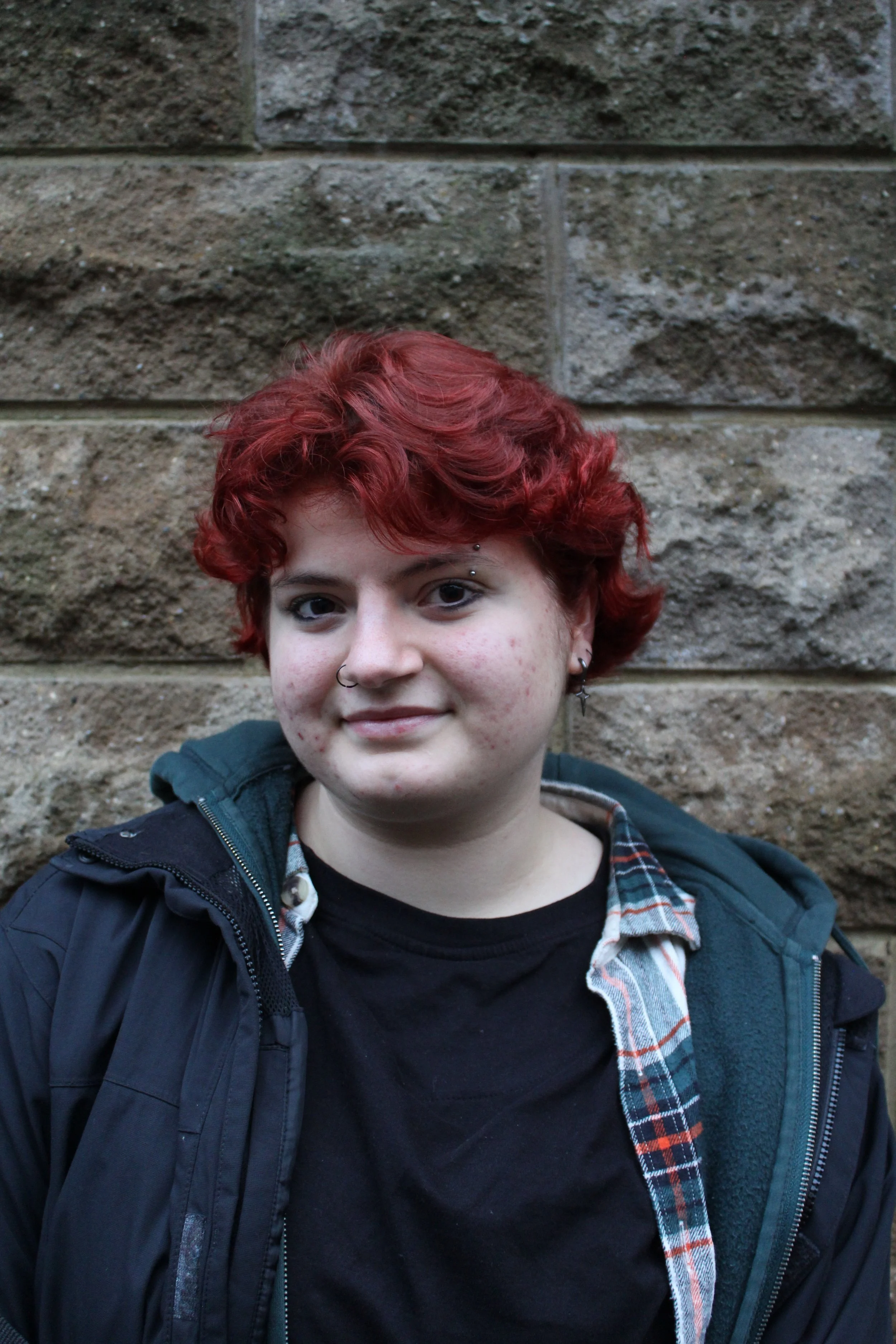
Thanks for meeting me Eli. Can I ask you to introduce yourself?
I’m 17 years old, I’m from Beeston, and I’m currently a student at Confetti College studying Event Production. I was home educated until the age of 16 and during that time I engaged with a lot of Forest Schools and generally interacted with nature. At the age of 12 I took a short course on the Amazon rainforest, which was when I realised that something was going wrong with our relationship with the environment. I decided to become a vegan and have had a plant-based diet ever since.
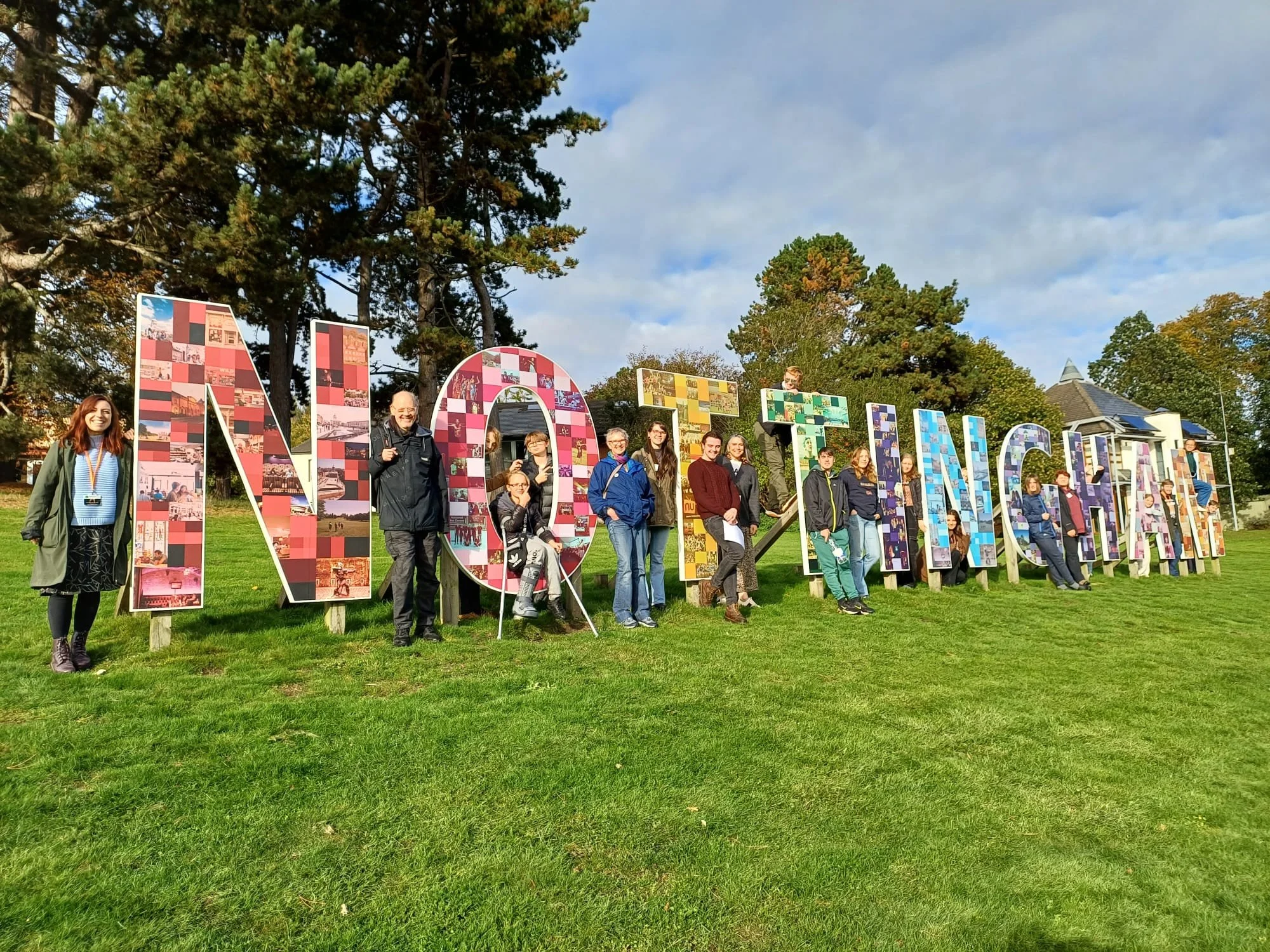
I studied Environmental Management, Marine Biology and Geography at GCSE, all of which contributed towards my knowledge and understanding of the environment and I started getting involved with the youth panel of the Nottingham Climate Assembly. One of the first things I was involved in was a ‘Youth Climate Social Action’ week in Broxtowe where we were able to speak to councillors about their climate related policies. From that I learnt that elected representatives often want to talk to people; they want to have community engagement because it looks good but also because they want to hear other people’s opinions.
You can read the Nottingham Youth Climate Manifesto here.
I'm now a member of the youth panel board, helping to plan and run events, and through this I’ve become involved with Teach the Future, a youth run organisation that helps give people access to climate knowledge and climate education, and that’s been really interesting.
Can you tell me more about that and how you got involved with it?
Teach the Future is a national voluntary organisation run by the charity SOS UK, (‘Students Organising for Solidarity’) that is led by youth for youth. The aim is to give young people an opportunity to speak about climate education because it’s lacking at the moment and it’s something that can be included in every element of the syllabus. The climate crisis is a central part of our lives and we shouldn't be teaching it as some separate thing; it should be integrated into everything that we do and learn. (‘Teach the Future is a campaign led by secondary and tertiary education students to greatly improve education on the climate emergency and ecological crisis in the UK’).
It was someone from the Climate Assembly youth panel that told me about it and I signed up for one of their induction calls, where they explain what their purpose is, what they do, and how you can help. You then get added to a big group chat where people are given the opportunity to be assigned different tasks; it’s very hands on and active. I initially did a lot of social media posts and then started writing a blog about climate education in a home-schooling environment.
During the last general election we had climate report cards which we would fill in to report how our local MPs stood on issues of climate sustainability (you can find the results here). I've also found myself being asked to talk to teaching students at Derby University about how to help young people who have climate anxiety and how to discuss it without scaring them. We see and hear so much about the bad things that are happening but very little of the positive developments that are taking place.
Off the back of that, as well as my work with the Climate Assembly, I got a job as a youth co-researcher at Nottingham University looking at sustainable food futures in Nottingham for young people. I’ve been involved in conducting a study – Youth Stories of Food Futures – which was set up in partnership with the Youth Climate Assembly and I’m now in the process of writing that report.
Can you tell me a little more about that?
The research question was ‘what do young people think about sustainable food futures in Nottingham?’ and we focussed on people aged 13 to 25. We conducted two separate research activities, the first part using Photovoice methodology, where we asked participants to submit pictures and captions that relate to their ideas and thoughts on sustainable food futures. We got all sorts of things from people having meals out, somebody cooking a steak and talking about the carbon footprint of that, the packaging of meals, pictures of things on shelves and things in bins. These were collated and used in a workshop with another group of participants to explore issues around food sustainability in Nottingham. A picture of a bin got us talking about how we need a wider range of recycling; a picture of a community garden about how we need to encourage community growing.
That all sounds incredibly impressive for a 17 year old! And this focus on youth voice is clearly very important to you.
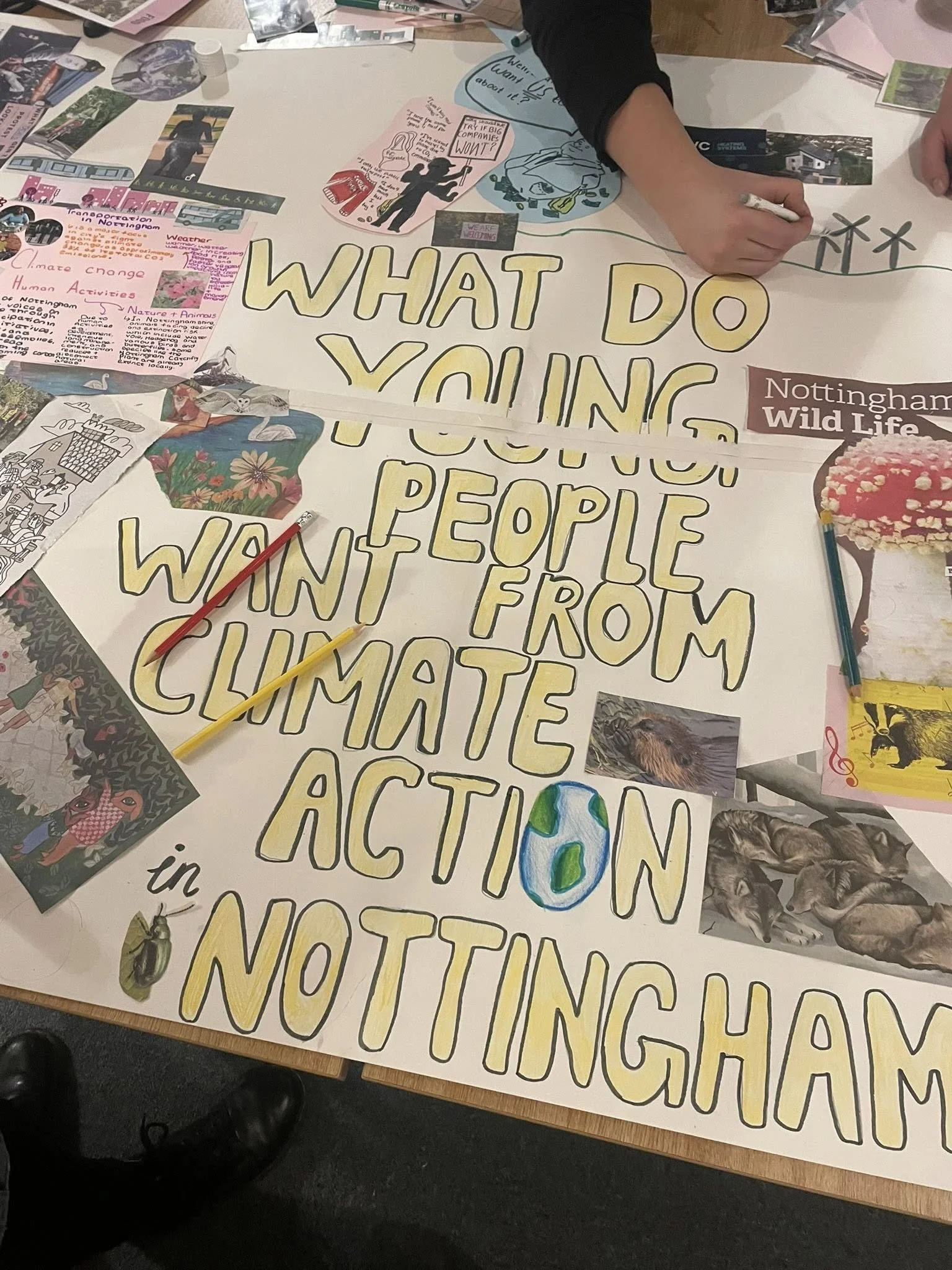
We’re the people who are going to have to live with the impact of the changing climate. We continually see and hear about all of these adverse effects, but young people need to hear about how we can help with the situation as well. We tend to get left out of the conversation because we're not considered mature enough, but we’re living it too so why shouldn't we be included? It’s obvious to me that the discussions about the action that needs to be taken has to include voices from as many different backgrounds, ages, and perspectives as possible.
All the people I have met through the work I’ve been involved in want to be part of a community; they want to work together. In the research project they talked about community fridges, community shops, community gardens where they could go and help and participate. Because a lot of the time, as a young person, you do feel helpless about what is happening.
You’ve mentioned climate anxiety; is that something you were aware of?
As somebody who got into thinking about the climate at a young age I did have a lot of anxiety about it. When you’re only 12 the kind of information you hear is really scary. It’s really important that teachers understand that climate anxiety can be a huge issue and that young people often feel like they can't change anything; that it’s this enormous problem that needs so many things doing to combat it and it’s paralysing to even think about how to confront that. You feel that you can’t do anything that will be big enough to make a difference, but you can.
Young people have to know that their anxiety is valid but we can try and make it easier to manage. How can we get you involved in things? Can we help you feel like you're making a difference? How can we ease your anxiety by pointing you towards all the good things that are happening in the world? We see the pictures of people getting flooded in so many different countries but we don't see that they're installing new wind farms, that Japan has made a huge breakthrough in solar panel design. There are constantly new innovations happening, but we don't talk about that.
Part of Teach the Future's mission is to show young people that there are things they can do, that it's not all super depressing and it's all not going to end with us all dying in two years' time. The world isn’t going to explode and we can get through this if we keep working towards this shared goal that we all have in some way or another. Ultimately everyone, whatever their belief about climate change now, will help with things if they think it's for a good reason.
What did climate anxiety feel like?
It was just an overwhelming feeling of dread and worry about everything to do with the climate. You worry about yourself, you worry about your future, you worry about the planet and it's all-consuming. I remember coming out of one of my lessons and I was just so overwhelmed with disappointment and anxiety about what was going to happen to the planet. Because of that it’s so difficult to think about what you want to do in life, about having any thoughts for the future. I had friends who seemed to have some clear goal in mind, at least I thought they did, but I didn't know if we were going to get that far. I didn't know if the world was going to exist in six years' time; if I was ever going to be in a position where I could have a job, where I could go and live by myself.
It's a feeling that everything's going wrong and you can't do anything about it. It's a feeling of not having any control, which is part of the reason I started studying subjects that I felt could help me understand things, like taking an A level in Environmental Science. Through doing that and getting involved in environmental groups and projects it's made it easier. Climate anxiety is the fear that the climate will change so drastically that there is no future. But having the knowledge and understanding of what is actually going on helps you realise that you can make change.
We say the words ‘climate change’ but what is it? What is natural climate change and what is unnatural? And how can you impact that? You can easily start to worry about everything; that you shouldn’t buy this product because it’s not completely sustainably sourced, or this one because it’s not in completely compostable or recyclable packaging, or this one because of how much it's been processed. You have to choose where you start and take it from there.
And where was that for you?
It was focussing on buying things that we can recycle and in generally thinking about the way I act as a consumer. But I think one of the most important things for me was realising that it's okay not to be perfect, to get it right every time, and that's been difficult because I'm a perfectionist in much of what I do. But it's alright not to be the perfect recycler; to understand that if you mess up it’s not going to be the end of the world.
You have to get to a place where you realise that even if you just do one thing, like go to a refill shop and refill a jar you already had, that you are making a difference. There are so many little actions you can take that are helpful and your whole life doesn’t need to revolve around thinking about the climate and your role in it.
(There are a number of zero waste shops in Nottingham, including Waste Nott and Shop Zero).
If you look at meat consumption for instance it’s the amount that is the problem, the rate at which we are consuming meat. We still need all of the farmers who have cows and sheep and pigs, they’re still important food sources. It's people eating three meals with meat in, every day of the week, that is the problem. Having one vegetarian or vegan meal a week could make more of a difference than you think, but we’ve got this conception that you either have to be full in or full out.
People say, ‘oh, I would love to be vegan, but there's one thing I can't give up’ That’s fine! Have a plant-based diet that also includes that thing that you don’t want to stop eating; the cheese, or bacon, or eggs. You don't have to go cold turkey.
And that applies to loads of other stuff, like buying second hand, making your own clothes, recycling your clothes. I try not to buy clothes; I try and use what I have and alter them, but sometimes you see something that you really want, and that’s alright. We just need to change the way we view consumerism, because consumerism is one of the root parts of the problem. I, like many people of my age, was influenced by and followed Greta Thunberg. She was always in the news until she started speaking out about capitalism and consumerism. It was as though the media went ‘oh no she's no longer talking about something we want to associate with’ and they just turned away. But I think it's definitely something that our generation is more aware of, that capitalism is absolutely running our society and all of this consumerism is not helping us get anywhere.
How do you feel about direct action?
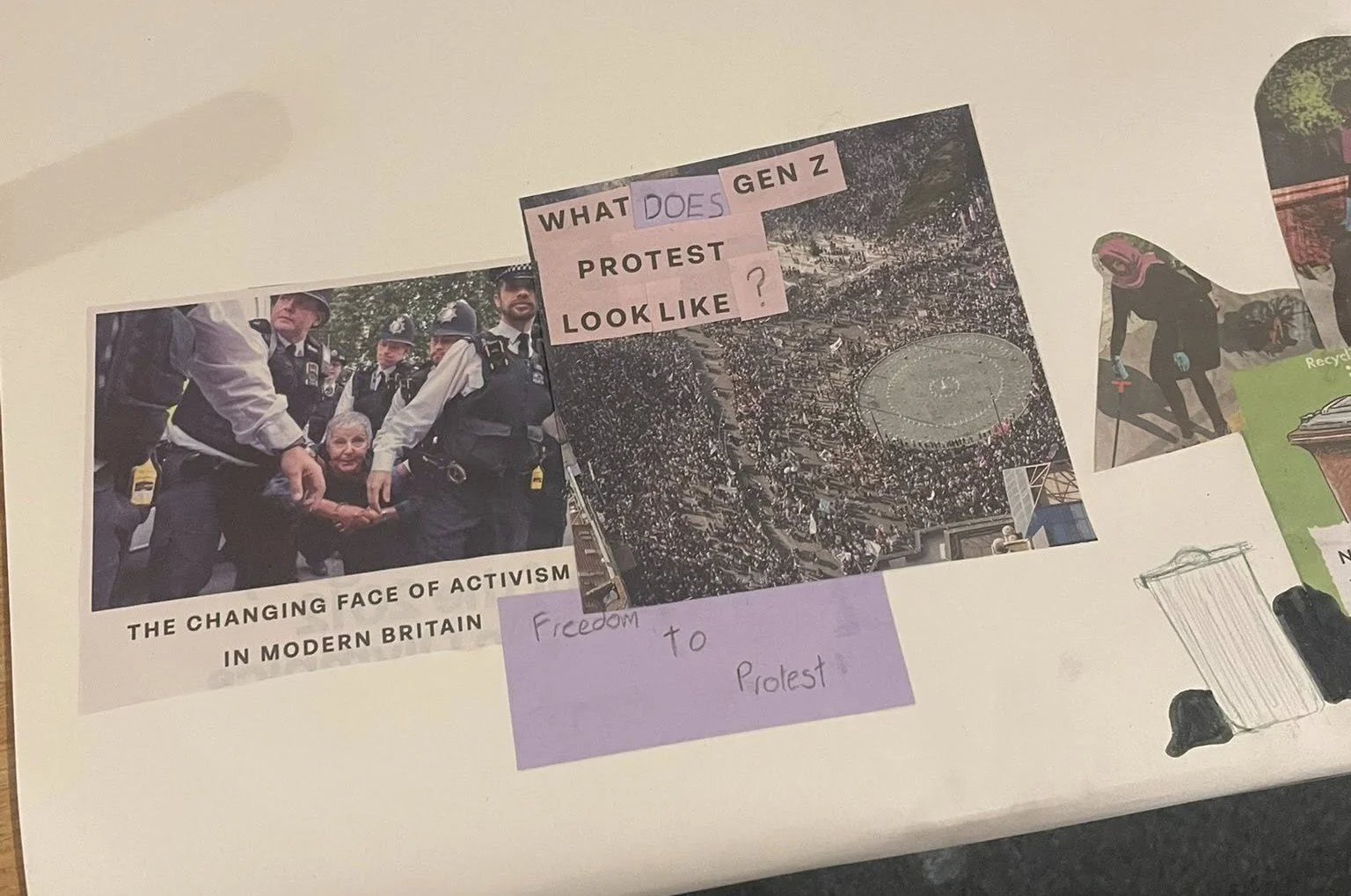
I think there are lots of different types of disruption and I think disruption, to a point, is okay. Because it has to cause enough of an inconvenience for somebody to take notice. But when disruption is actively harming people is when I take issue with it. Just because somebody else doesn't have the same moral compass as you, or believe in the same things, it does not mean that their life should be completely thrown on its head. The big protests and projections are obviously fine; nobody's being harmed through that.
Do you think there is a developing engagement around the climate challenge from younger people?
I definitely think there is a developing engagement. My generation has had a lot of access to a lot of media, and whilst there’s a lot of talk around the dangers of social media it also allows information to be shared. So many of the young people I have met are trying to educate themselves and want to help in some way, to try and make a difference. It’s obviously really good to see people of other generations getting actively involved, but I definitely think that my generation is really pushing themselves. They want to learn and a lot of us are open to having our ideas challenged, which is really important. It’s not necessarily important what your beliefs are but whether you are willing to listen to somebody else, and consider changing your approach to the world if you've heard something that makes sense. It’s about constant learning, constant development.
Are you positive about the future?
Generally, I am. I think we're going in the right direction; whether that direction is happening fast enough is a different question. But hope is sometimes the only thing you can have and without it you have nothing to work towards, you're just stuck in that climate anxiety hole. I have an enormous amount of hope that the Green Party will get a lot more seats in the next election, and be able to have more influence.
I subscribe to something called Positive News and once a week I hear about all the good things happening in the world, whether that's about the climate or social justice. Just because some things aren’t moving as we would like them too it doesn’t mean there aren't good things happening. We’re building new wind farms, new solar farms. There are so many more sustainable electricity companies being established. Ecotricity is becoming a huge company and is doing really well. It's alright to not look at the news every single day, and I tend to it as a weekly round-up, so I only have the one day of maybe not feeling great about the state of the world.
(Other UK energy companies committed to providing 100% renewable energy sources include Octopus, Good Energy, 100 Green, and Ovo).
Are your social life and climate activism closely linked?
Well, I've met a lot of people through it, but I’ve also met lots of people who I later discover have a common interest. For instance one of my friends is a member of the Green Party but I didn’t know that until two years after I’d met them; so we do talk about other things! But having that shared interest of wanting change to happen and doing something about it is nice; people who you can just sit with and have a conversation and they understand. It's finding that common interest and that common community, which is beneficial.
Can you tell me about what the Youth Climate Assembly is currently working on?
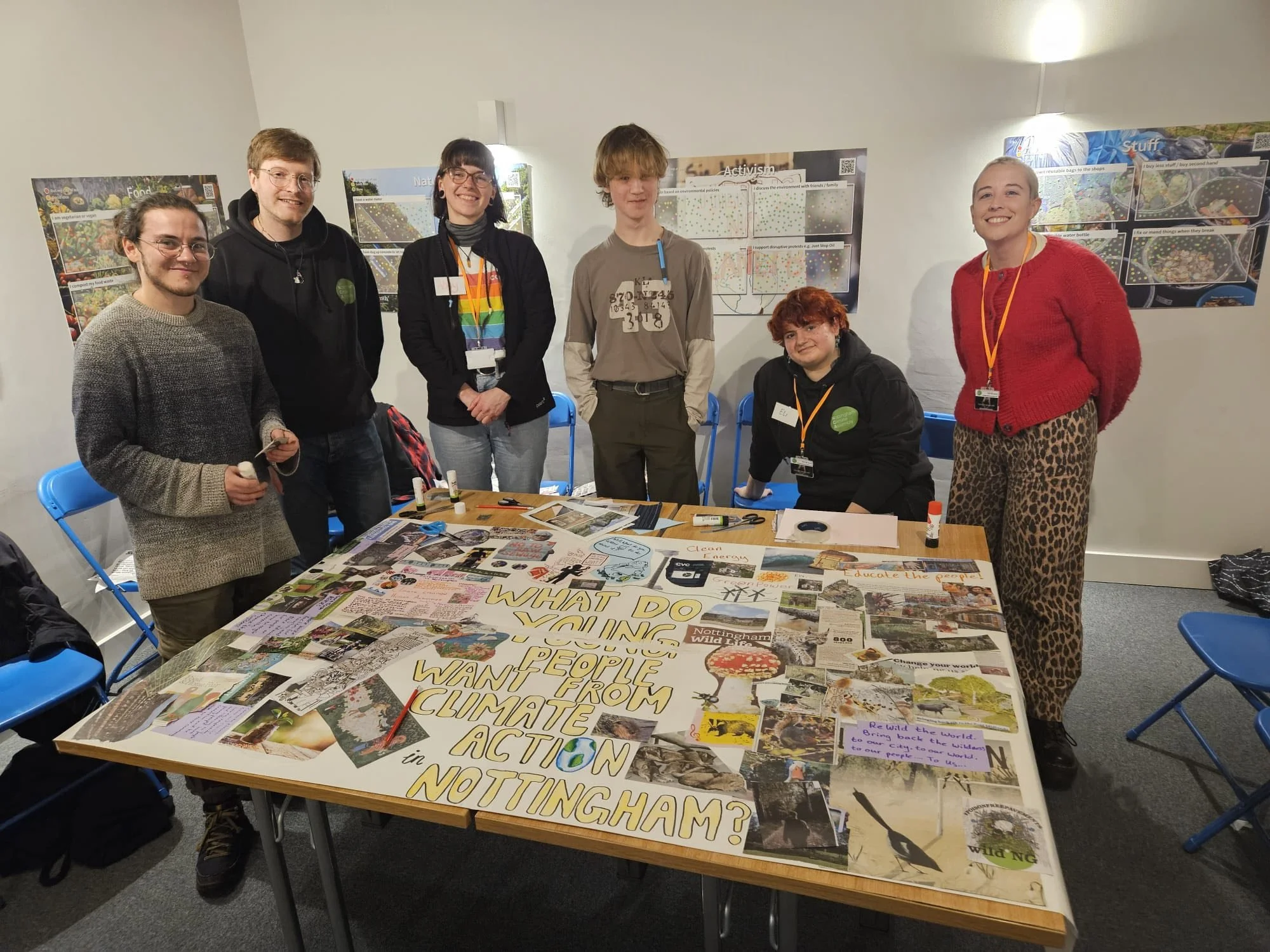
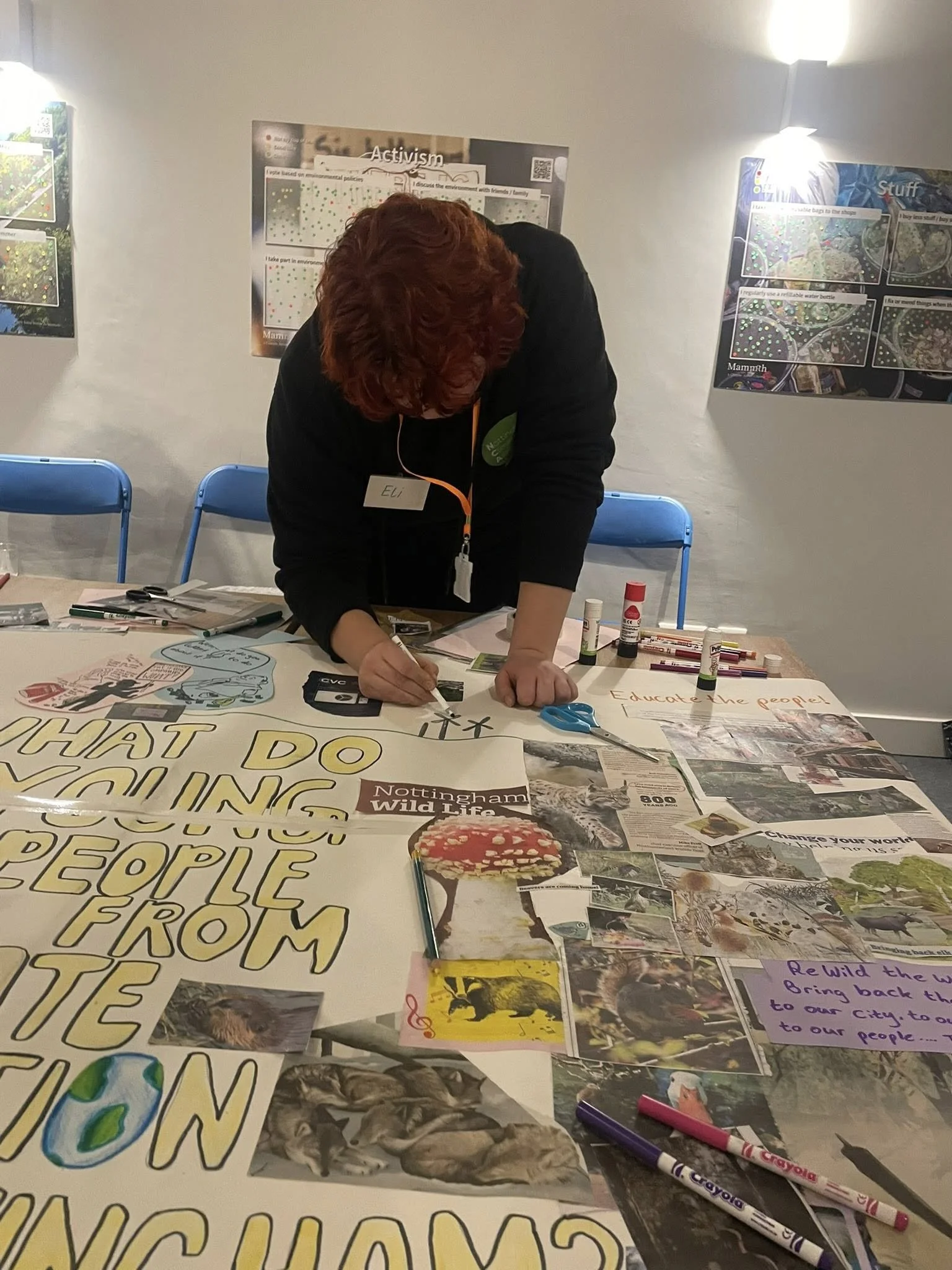
We’re feeding into the work of what will be the city-wide Climate Assembly by running what are called ‘climate fresks’. In each workshop people are divided into groups of six and are given cards with information from the latest scientific research about various aspects of climate change, such as greenhouse gas emissions and global warming. They work together to arrange the cards to make links between causes and effects and then start to add other things: places, people, other aspects they think are connected to the issue. All of this ends up creating a kind of huge mind map that really helps people understand the links between things, how one thing affects another, how positive and negative feedback loops work. I'm part of the organising team for these, helping to sort out the rooms and the bookings and organising the events. All of this will make sure that the young people's perspectives will feed into the main climate assembly.
(You can read more about this increasingly popular form of interactive workshop here and here).
And what next for you?
I want to study event management and production at university, and to work on producing and managing sustainable events and sustainable management. That could be festivals, concerts, theatre, conferences, literally anything where you have somebody doing something and other people watching. All of these need to be sustainable in some way. There’s a huge drive to make events greener, so that’s what I’m hoping to help with.
Good luck!
Thank you.