
Rick Hall - How Much Nature Do Children Need?
Interview with Rick Hall, written by Andy Barrett
Rick, winner of a recent Nottingham award, has been working in in the city ‘as a teacher, educator, actor, director, learning advocate, and explorer of creativity and curiosity’ since the 1970’s.
We sat down to talk about his recent work with Welbeck Primary School in The Meadows. As with many of these articles there are lots of links to projects and resources, so do have a look - especially if you are also interested in developing projects and ideas with young people.
Can you give us an introduction into your latest project, Rick?
Well, I'm a now semi-retired freelance producer of education projects and in the last couple of years I've been working with Welbeck on a project called ‘How Much Nature Do Children Need?’ It follows on from various projects I've done in the past where children are given scope to investigate topics that matter to them; and what is key is that the children are positioned as researchers. I've mainly been working with Years Three, Four, and Five to investigate their closeness to the environment and to nature, how this makes them feel, and how it affects their sense of well-being. What’s made the work really interesting for all of us is that it’s been done in collaboration with a school in Koli in the province of Karelia in Finland; in a very different location to Welbeck, right on the edge of the National Forest.
How did that come about?
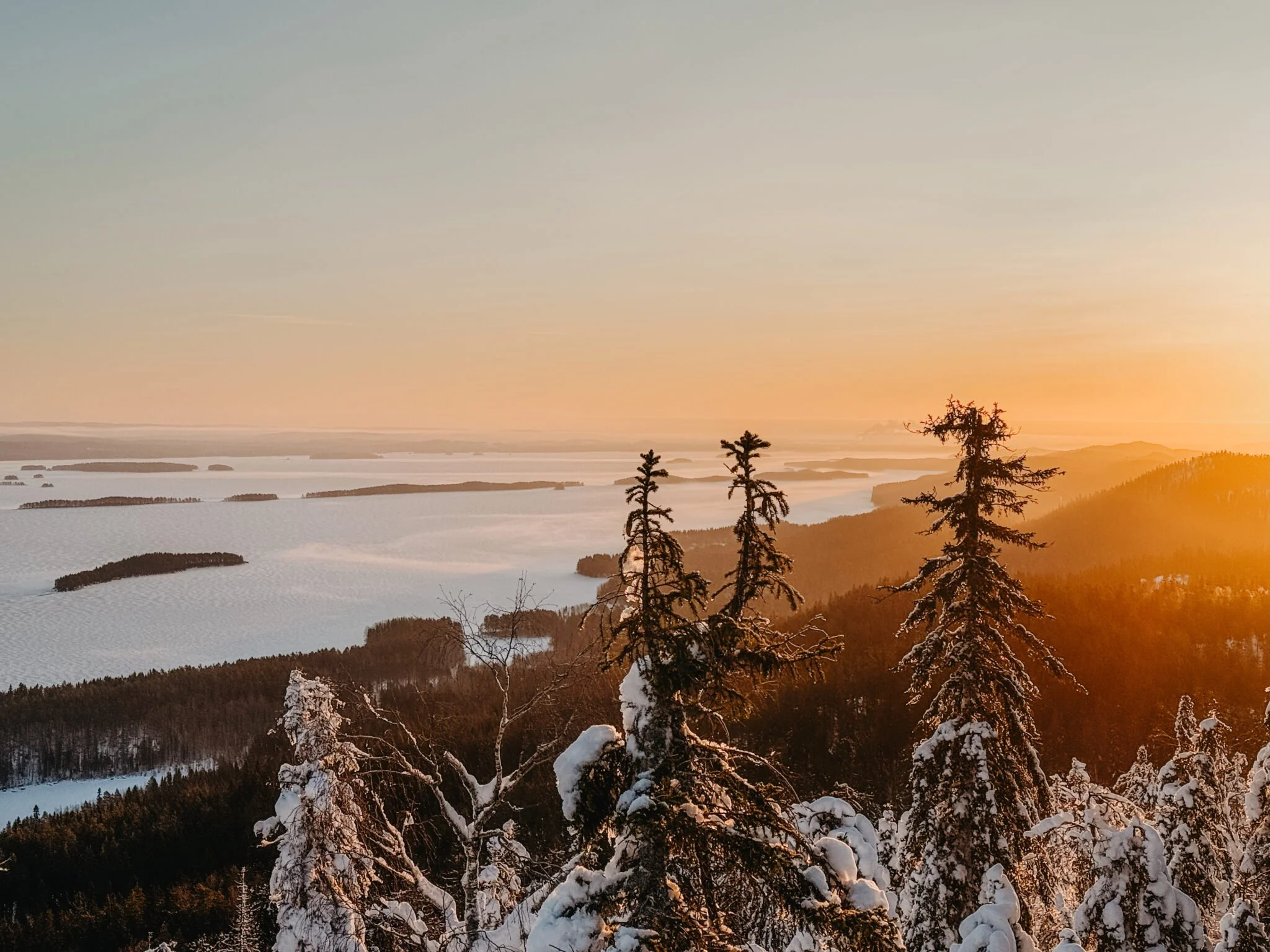
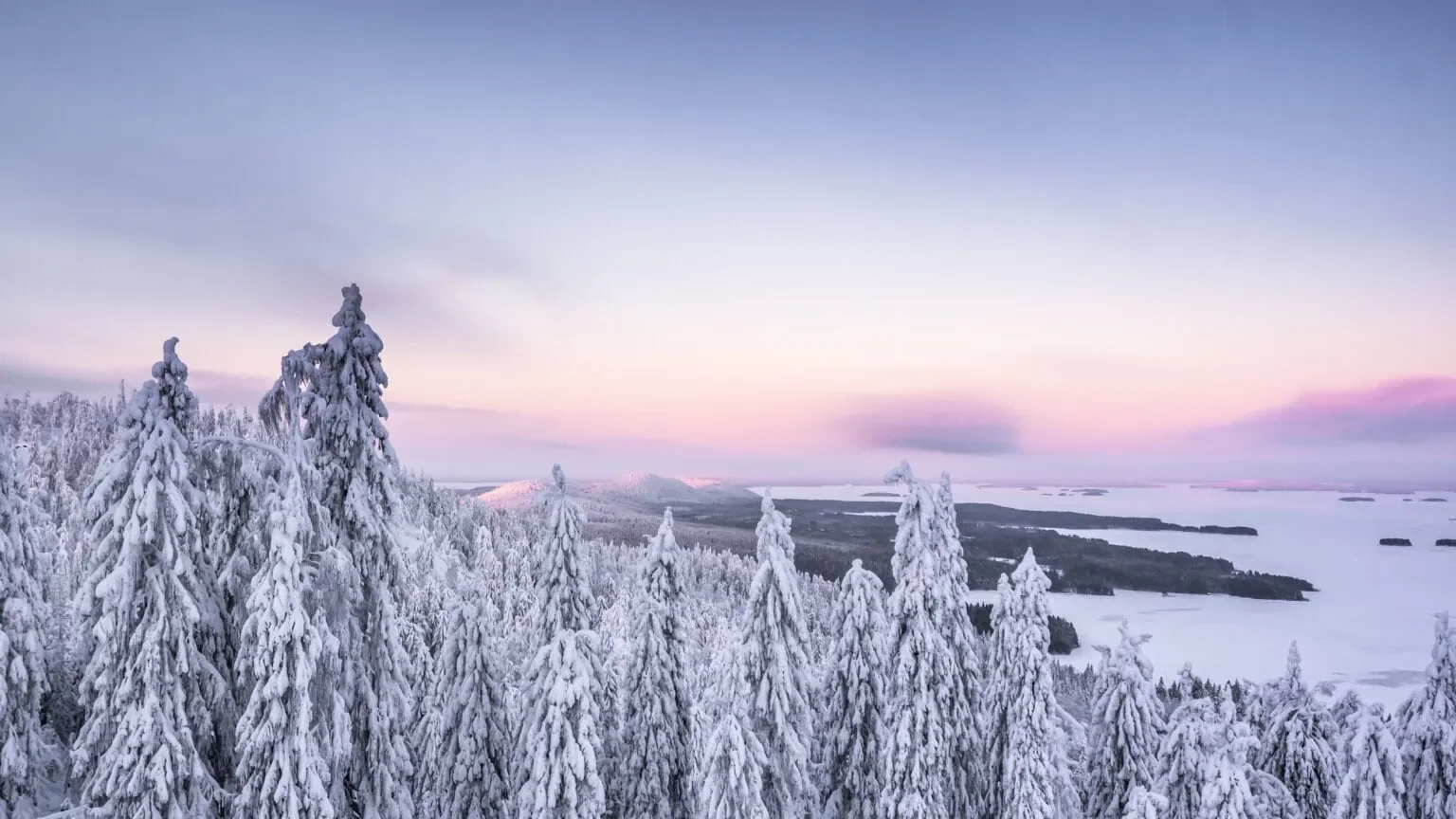
Koli is a small village of about 300 people and the school only has 50 pupils. It's a bit of a tourist location because of its natural environment and it's where the composer Sibelius spent his honeymoon and, because he loved it so much, established a kind of artist's community there. The village has continued that link to art, culture, and community involvement right through to the present day and have an artist in residence scheme. I started visiting in the early 2000’s, and was in residence myself at one point, doing some writing and living in the studio above the pub. Over time I've grown to love the village and have got in with the Culture committee, which led to the idea of them having the occasional scientist in residence, which I’ve helped with. And every time I go, I do something with the kids at the school.
Where did the question ‘how much nature do children need?’ come from?
I'd love to say it came from the kids, but the actual phrasing comes from me and relates to a quote from the American Bob Marshall, in the 1930s. He was a forester, conservationist, and co-founder of The Wilderness Society (now the Bob Marshall Wilderness Foundation). President Roosevelt asked him ‘how much wilderness does America need?’ and he replied ‘well, how many Brahms symphonies do we need?’
I went into Welbeck partly because I wanted to share the experiences I'd had with the environment in Finland, and also because I knew that the European Citizen Science Association conference was going to be in Finland in 2026. So, I started this project with the idea that it would be great to create a link with the children in Finland and explore the possibility of actually taking a group of Nottingham children to the conference in Oulu at the beginning of March. And we’ve just returned!
And why Welbeck?
They were very prominent in a previous project (Creativity Collaboratives) that I'd been involved with through ChalleNGe, the Nottingham Cultural Education Partnership; so I knew the team there and the school’s commitment to engaging the kids through creativity and curiosity. I knew there was a good chance of them being interested in the idea, and it's a school that has a wildlife area and which has redesigned their outdoor spaces to accommodate more engagement with the natural environment and to encourage free play.
What did you do?
The first strand of the work was absolutely about building up this notion of children as researchers so that they develop their curiosity and find ways to explore things. That is really central to so much of what I’ve done over the years. Then there was the link to the environment, in exploring how to get closer to nature. This has been using the work of Miles Richardson at Derby University and Ryan Lumber at Nottingham Trent; of the idea of pathways to nature connectedness, of ways of being in, engaging with, and relating to nature that help us grow closer to nature.
You can explore this work at Finding Nature | Nature Connectedness Research Blog by Prof. Miles Richardson and The Pathways Framework.
Through this we’ve been exploring how we can be more observant, how we can use all of our senses, and we’ve been visiting places with high natural assets where there are lots of things to look at. But we’ve also been appreciating the aesthetic qualities of nature and how we can interpret these spaces with oral histories, poetry, and art. Then we've been looking at how this engagement with nature affects our emotions, our compassion for the environment, and our well-being. We have to be a bit careful and we don't go into mental health too much, but we do note things like the impact on our sense of happiness, joy, and excitement, which are really important for children.
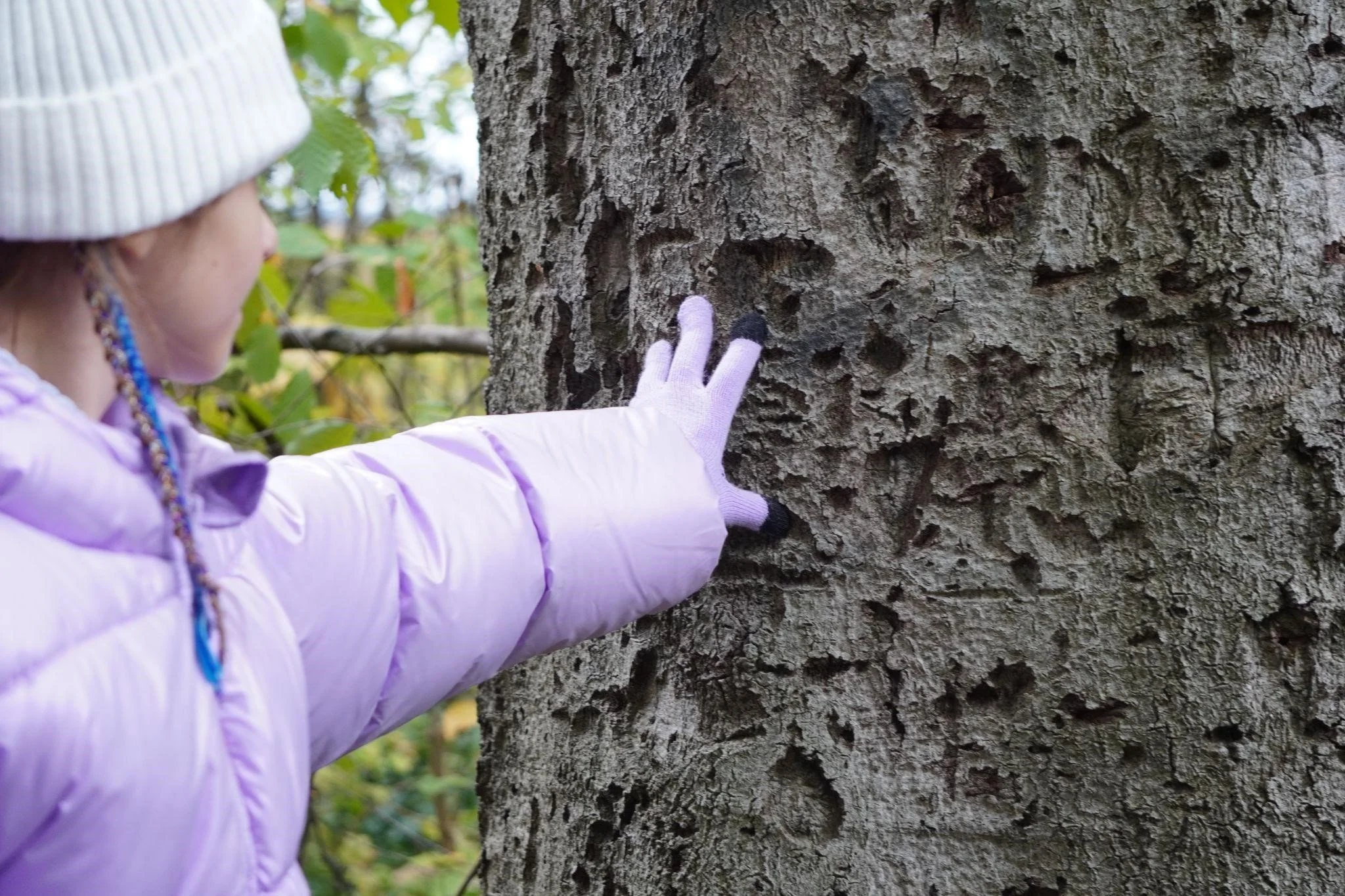
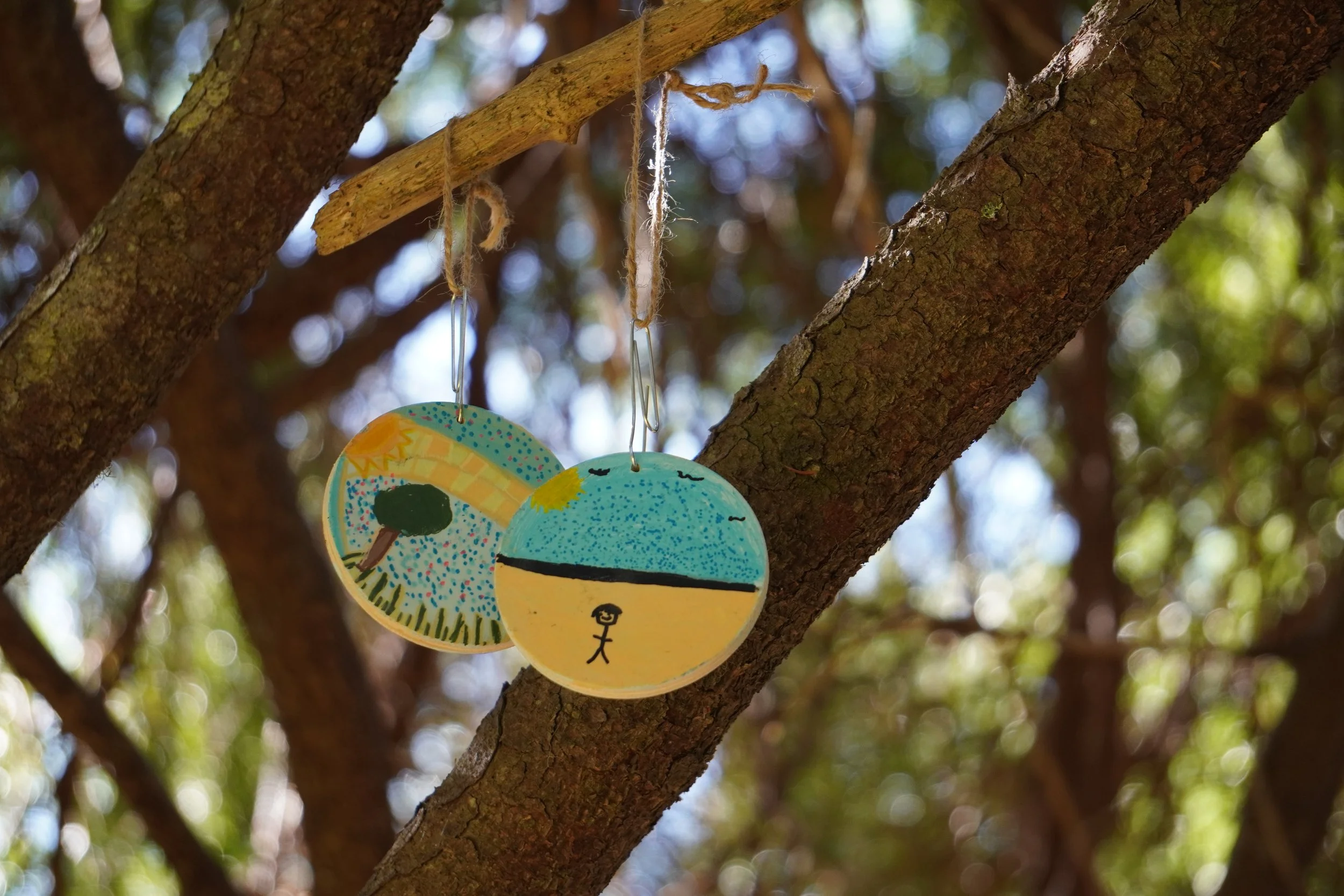
One of the ways we’ve done this is to explore the idea of ‘special places’ in nature. This might be a particular tree that a child likes the look of, a space where they go to be calm and quiet, or somewhere they have a positive memory of; perhaps because they’ve played there or made a den. They’ve then interpreted these into artworks, painting their special places onto wooden discs and maybe writing something on the back, like a haiku or an elfchen poem to express more about why this place is special.
There’s also been a survey, because again I want the children to think of themselves as researchers. So, between us we devised a ten-question survey to help people consider how close they are to nature. During the summer ChalleNGe had a Summer Arts Pop-Up shop in the Victoria Centre where we did some of our surveying work with members of the public, as well as at the Green Hustle.
It asks how frequently people explore and visit nature, if they have a special place, and what the word ‘nature’ means to them. There are questions where they can tick from a list; so for ‘which of the following have you experienced or taken part in’ there are options from ‘looked after a plant at home or in the garden’ to ‘had to avoid a wild animal’. They ask for three words to describe how people feel when they spend time in nature, and if they can describe a special memory of visiting nature. There’s a list that asks what brings them to nature, perhaps for exercise, or to have an adventure, or to calm down if they feel upset or anxious. And they also ask people to rank the issues that they care about, again from a list - ‘Having quiet places in nature / Protecting wildlife and plants (biodiversity) / Air pollution / Climate change and its impact on Nature / Keeping water and the environment clean and free from litter, waste and pollution’.
How has this connected to the school in Koli?
They’ve been comparing their experiences through video calls and by sending each other work to look at which has led to some really interesting conversations. The children in Finland came up with this idea that because nature is all around them, they don't go to nature, they go through nature. It's always there. Whereas in Nottingham, lots of kids actually have to go to nature, go to a place. Quite a lot of Nottingham kids don't have access to green space; and some of the children I’ve worked with are living in apartments or in hotels, because they're from asylum-seeking or refugee families.
The children in Finland have different wildlife to observe, but also to avoid. Part of their experience is knowing how to avoid moose or bears, so the children in Finland talk about how the way they learn about the environment is also connected to a survival instinct. They know which berries and fungi are safe to pick, how to avoid wild animals and how to behave if you see one, where to light a fire, what to do when the lake is iced over.
But of course, the conversations move into other things like ‘what's your school day like?’ and ‘you, don’t have to wear school uniform!’ And because I visit Koli I was able to take some of the artwork that the Welbeck kids made; so in the forests of Finland there's a whole line of painted discs of their special places. And similarly, in the wildlife area of Welbeck, there's a collection of art from Finland.
Where did you go on your expeditions?
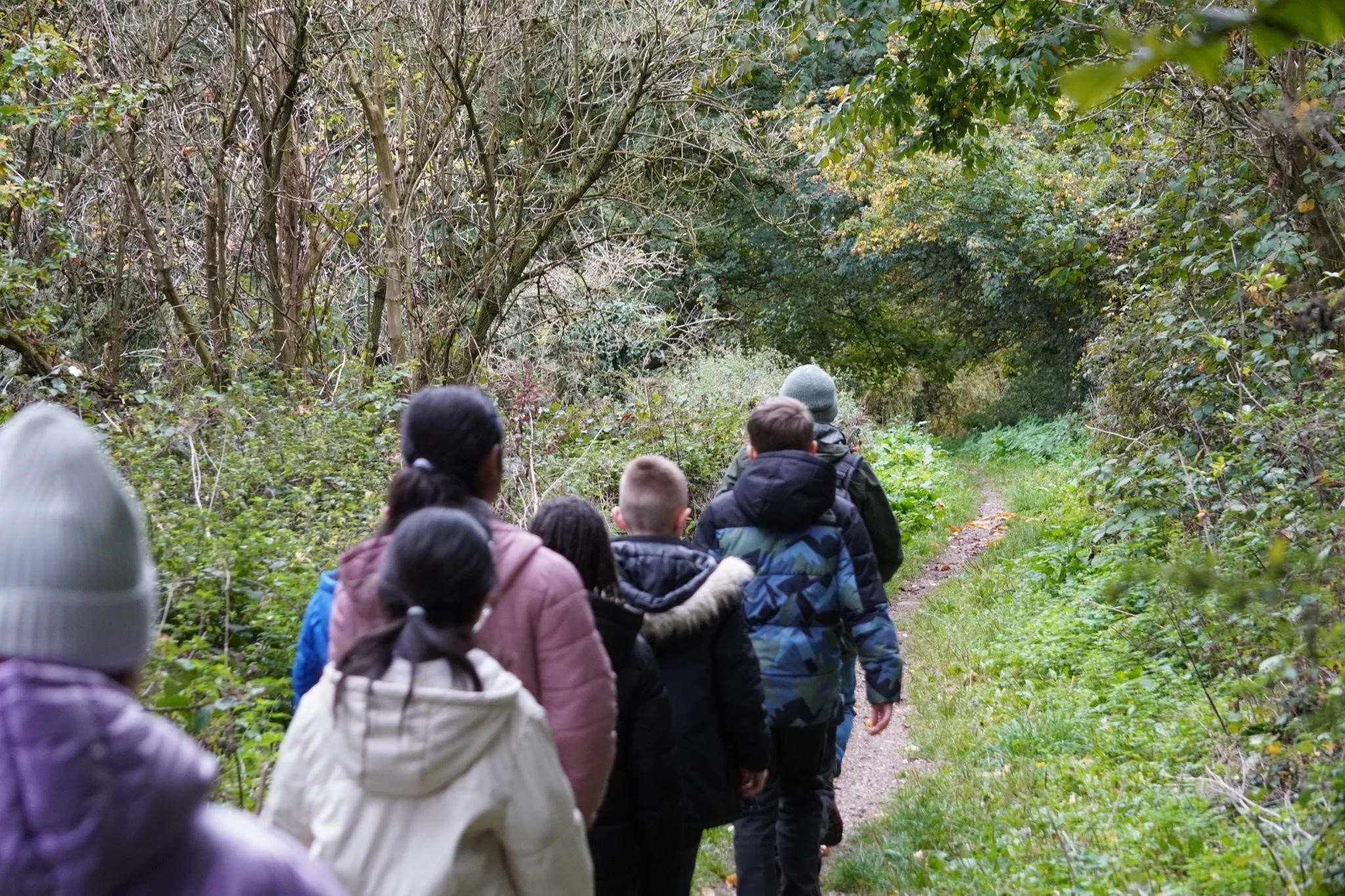
Well, as you know because you were with us, we went to Colwick Woods and they have been talking about that ever since. We also went to Iremongers Pond and saw a heron and peregrine that made a lasting impression; and we did some recordings of bird sound. The very first outing was to just the Green Heart outside the library. But the elements of real, genuine surprise and delight that you see in them are very strong.
It’s really interesting when you ask them about their special places in nature, because two things happen. Firstly, they think long and hard about it. And for some of these kids their special places are not in the UK, but in their homelands. And then as they begin to make their painted discs you can see them almost visibly becoming more thoughtful; just thinking and remembering. You notice that their mood absolutely lifts. Making the art helps them to restore the reason and memory of why it's a special place.
We’ve also been to the City as Lab, where I’d sent over files of the children’s artwork and audio recordings, to work with their 3D relief map of The Meadows. It was lovely to see them point at their local special places and for those locations to suddenly light up, and for them to hear their voices talking about it.
And what other things have you discovered?
Well, their sense of surprise and wonder at the natural world is great. One of the things that I discovered early on is if you give them something to paint, a tree or a plant, they'll do this before they've really considered what it is they’re looking at. So, we’ve been giving them what we call curiosity boxes and asking them to find a natural object of curiosity to place inside that they can bring back to the class and talk about. Of course, the first thing they all want to do is decorate their boxes.
I wasn’t expecting this work to be life-changing, or that they would all go on to become ecologists or botanists or work for the RSPB. One girl has really taken to writing poetry about nature and has compiled an anthology; another girl keeps asking me to look at her collection of seashells; and another always hands me some pebble or gravel that she's found in the playground and we talk about geology. But my agenda really is to promote the idea that children acting as researchers, and in engaging the public in data collection, is as valid and authentic a way of doing citizen science as it is for university researchers. Citizen science could have and should have a very profound educational value and aspect to it. That was the real excitement about taking these kids to Oulu, because there have never been children at the conference before.
You can read a previous article about citizen science with Dr. Linda Birkin here.
So tell me about the conference; it must have been a really interesting experience for you and the children?
We’re all familiar with the idea of citizen science, of engaging the public in research. The European Citizen Science Association formed about 15 years ago and have established a biennial conference which I’ve been going to. When they announced that the 2026 conference was going to be in Oulu, which is also this year’s European Capital of Culture, it was very clear to me that I would have to bring the children I work with in Finland, that I would have to develop a project with them to show that citizen science can engage with people of all ages, and that it can have an educational element to it. And I also wanted to show that it’s possible to work with younger children on a project like this, not teenagers but those who are nine and ten years old.
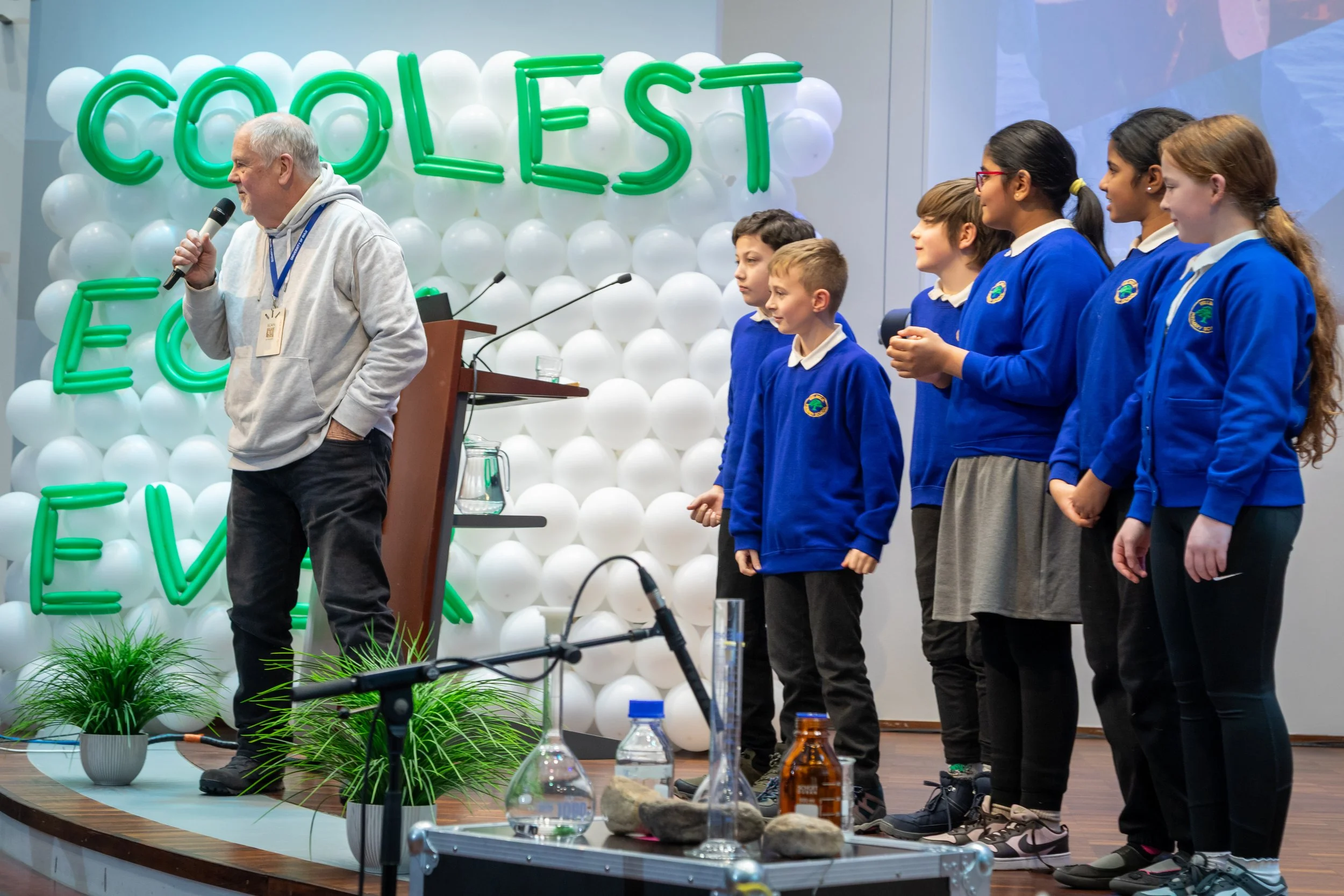
Unfortunately, the Koli kids couldn’t come to the conference but we took six children from Welbeck and they presented a workshop. It was co-devised with two colleagues, from Norway and Switzerland, and was based on this idea of children as researchers. The children were very excited of course, but the conference made them very welcome and made a real fuss of them. But they also respected and valued their contributions, which was what we were hoping. So, the kids felt absolutely validated, and felt they had an authentic reason for being there.
How many people came to see their work?
There were 670 delegates at the conference and 70 of them turned up to our workshop. I have this mantra, when working with children, of who speaks first, who says the most, and who has the final word. So, the children ran a warm-up introduction activity at the beginning before telling everyone about their project. We then had some academics presenting examples of education projects from other parts of the continent, and finished with three round tables. These were exploring the benefits of involving children as researchers, of how we can make the experience more significant and meaningful for children, and what lessons we can learn from doing so. They produced some really interesting thoughts and conversations which I’m about to start writing up. And then the session was wrapped up by the Welbeck kids.
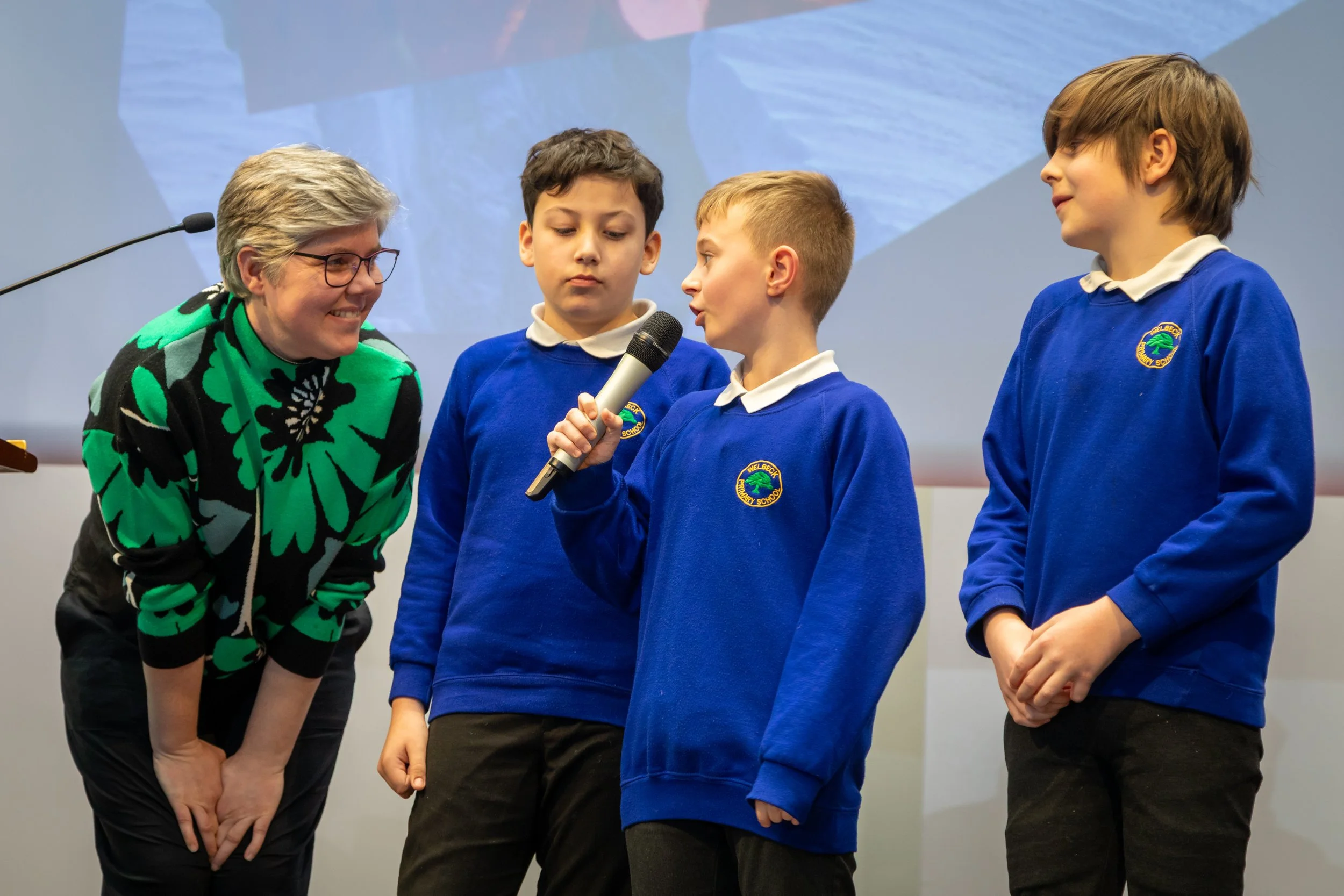
They also acted as researchers throughout the conference, approaching delegates with their surveys in the lunchtimes and breaks which gathered up a lot more data around people’s closeness to nature. They were also asked to take part in the closing ceremony where they were asked how their experience had been, and what had been the highlight of their trip to Oulu.
Of course, they said the snowball fights they’d been having, but we’d prepared a few words with them and they spoke of their hope that there would be more children at the conference in Lisbon in 2028.
Is there a way of expanding this work across the wider school network in the city?
Absolutely. ChalleNGe, the cultural education partnership I mentioned earlier, has received three years of Arts Council funding challenge for its Child Friendly Creative City programme. There are five strands to that work and one is called Nature Connections. We’ve only just started on this but it gives us a chance to embed some of the work that the kids have been doing at Welbeck, and to work with initiatives in the city like Green Hustle and the Green Festival. We have to remember that the work is focussed on art and creativity, but we’re at an exciting stage with that because we've been inviting proposals for case studies and pilot projects that explore this question of younger people’s engagement with nature.
Is this becoming a more important question on a national level?
I believe so. I think the work that has been done around the pathways to nature connectedness is important and will gain a wider profile, and there are more and more resources available to help schools engage with this question. There’s the National Education Nature Park scheme, which has all sorts of materials and lesson plans for schools and is a fantastic resource that everyone should look at. Kew Gardens have lots of teaching resources, as does the Natural History Museum. The BBC and Open University have developed the Hamza’s Hidden Wild Isles project.
When we do things like the Primary Parliament you can see the kids are emotionally committed to improving the environment so they’re already interested and want to engage on a positive level. While we were in Oulu, we visited the Children's Cultural Centre (Kotilo) and the children of the city have produced the Book of Oulu (‘an art project that offers Oulu’s children the voice and the space to share their stories, experiences, and dreams regarding their home city’.) I think we should have a Book of Nottingham and that it should engage with this idea of creativity within nature.
I suppose the obvious creative response when you're in nature is to paint or photograph it, but there are so many other ways in which you can respond. You can dance, write stories…
Absolutely. We've almost lost the tradition of the nature poets, the John Clare's and the Wordsworth's of English literature studies; and musical compositions like The Lark Ascending, or On Hearing the First Cuckoo in Spring. There's plenty of scope for revival and Nottingham does have a Nature Poet Laureate, Cara Thompson, and I’m sure we’ll find a way to work with her.
Are you continuing to work with Welbeck?
Yes, and one of the things I want to do next is look at some of the more hidden areas of nature in the city, the pocket parks or those corners of scrub. There’s the garden behind Paul Smith's shop, the one at Bromley House library, areas in the Lace Market. The city is undergoing a lot of development, particularly around the city centre, and there's a lot of pressure around ensuring that there are plenty of green spaces rather than a token patch here and there. Hopefully we can find a way to make sure that young people’s voices are heard in making these decisions.